SALE ENDS IN:

13:48:45

Advertorial headline visual

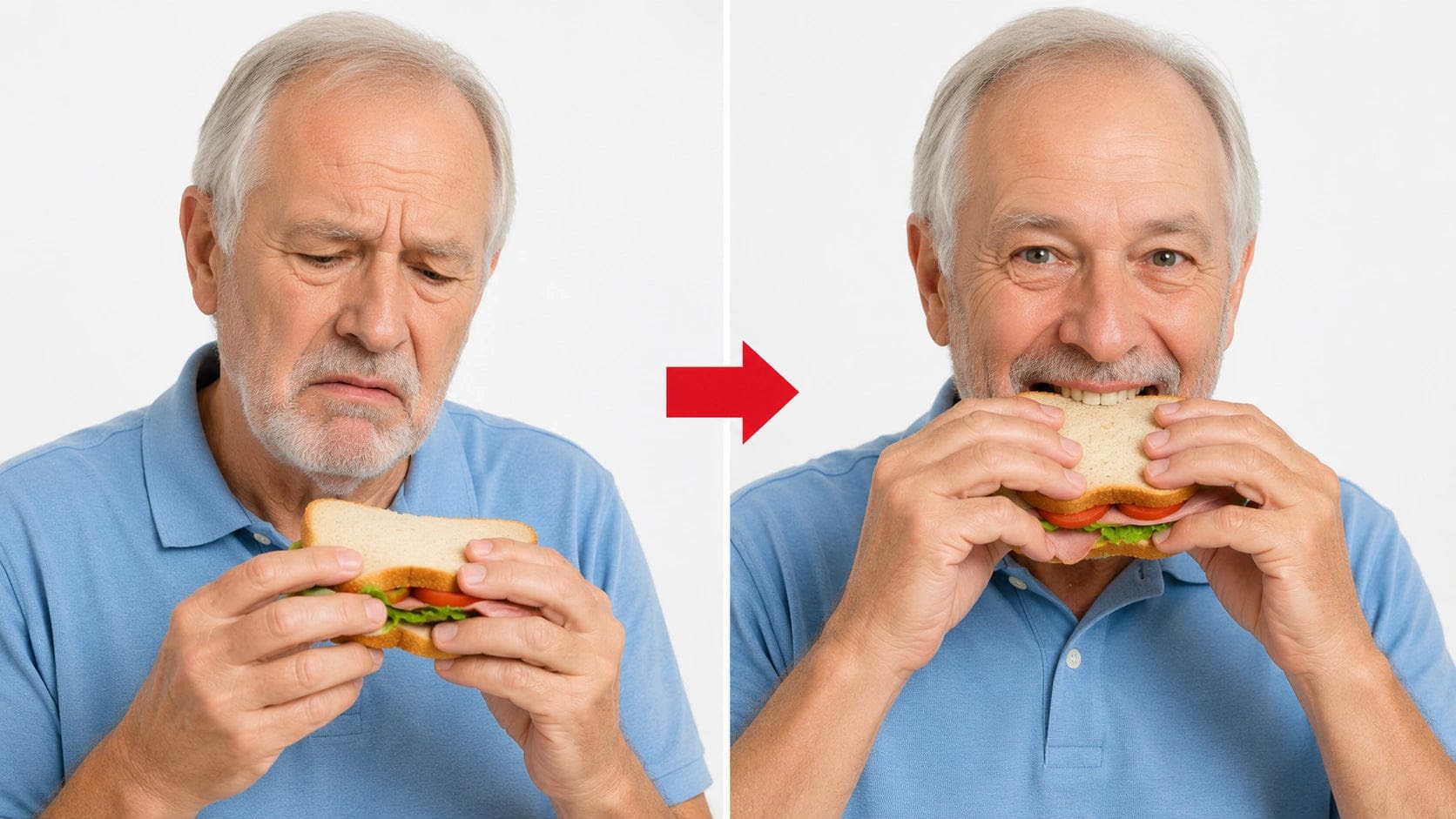
10 Reasons Denture Wearers Over 65 Are Eating What They Love Again With This Little Strip


If your dentures slip when you eat, if the sore spots keep coming back, if you've tried every adhesive and powder on the drugstore shelf and nothing sticks — you're not alone. Here's what thousands of denture wearers discovered when they stopped treating the symptoms and fixed the cause.

Author avatar
By Dr. James Mitchell
| Last Updated July 2026 |

Reason 1

Your "Extra-Hold" Adhesive Is Hiding What's Really Going Wrong

You bought the adhesive your dentist recommended. You paid hundreds for the reline. You even paid for a brand-new set. And your dentures still work loose at the table — every time, a little sooner than the last.

Here's what nobody told you: the dentures aren't the problem. Your dentures rest on the jawbone ridge that used to hold your teeth. Once teeth are gone, your body starts reabsorbing that bone — it shrinks a little flatter, a little smaller, every year. That's why the new set went loose too. That's why the sore spots keep coming back no matter what you try.

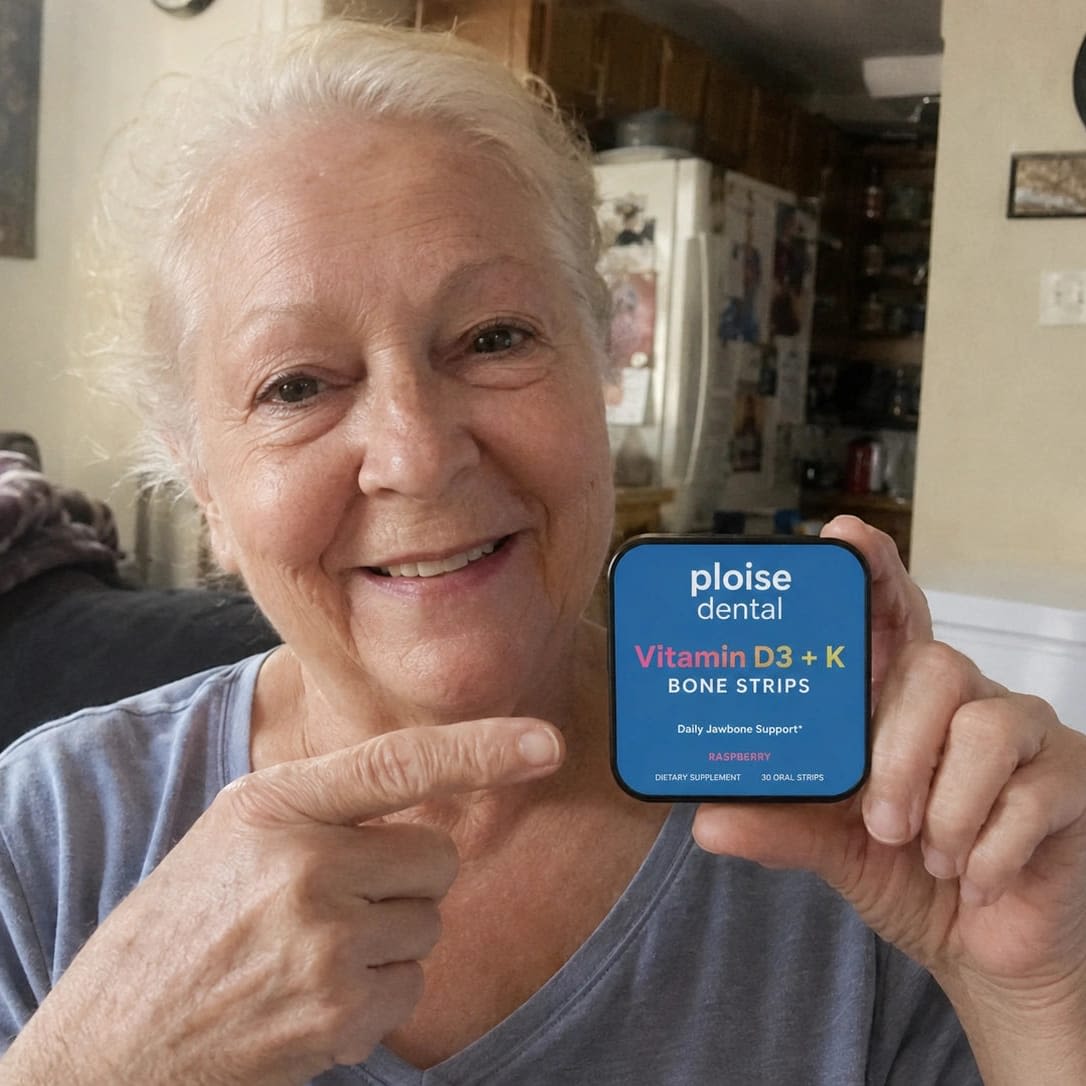
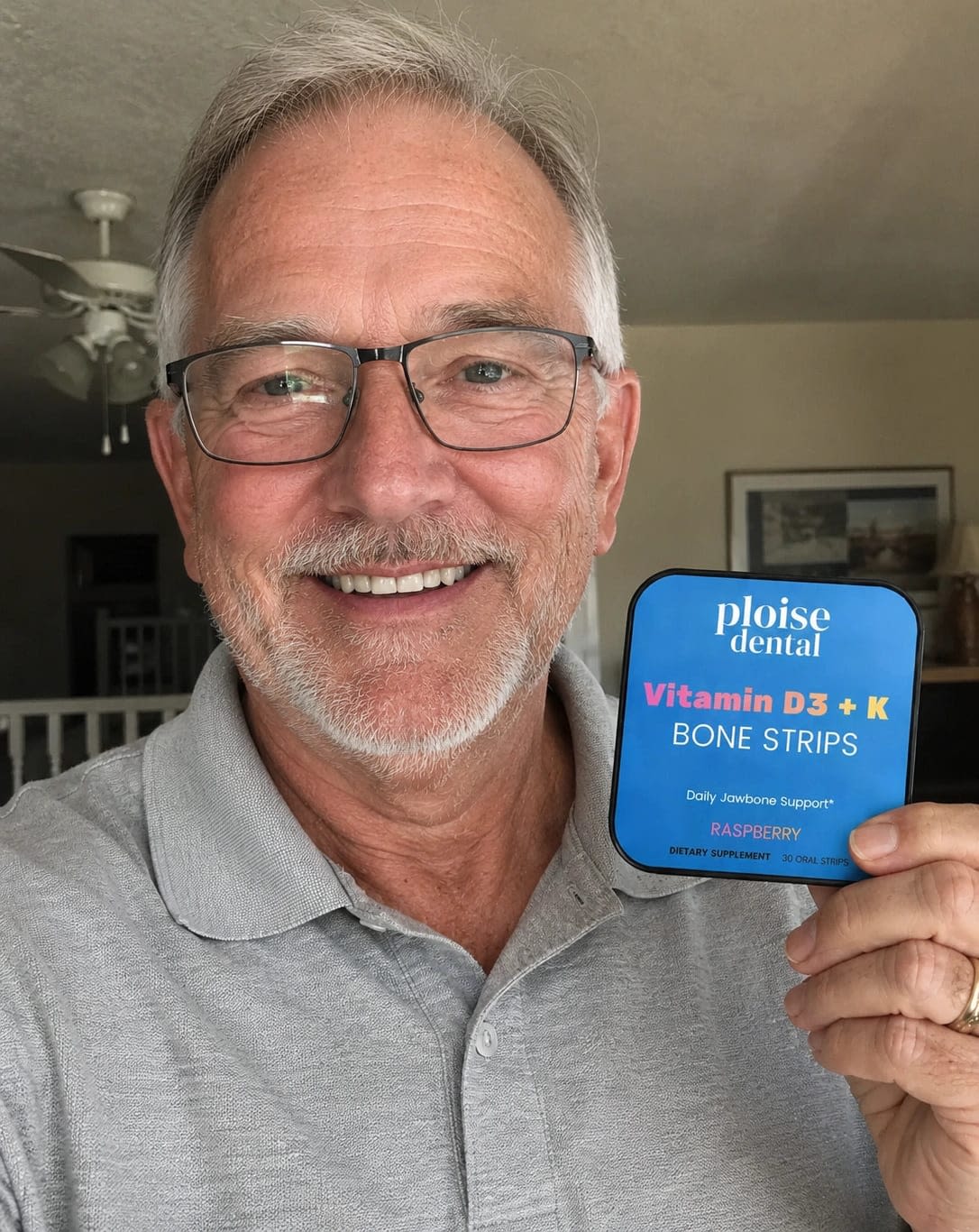
These strips deliver the two nutrients your jawbone depends on — vitamin D3 to help your body absorb calcium, and K2 to help direct that calcium to your bones. And for most people, the sore, tender gums are the first thing to ease — often within the first few weeks.
Reason 2

It Feeds the Bone Your Dentures Stand On

Ever been told your gums have "shrunk"? Ever wonder why every set goes loose a little faster than the one before? Here's the truth behind that phrase: gums don't shrink on their own. It's the bone underneath them that's getting smaller — and bone is living tissue, either being fed or being lost. Feeding it is the one thing no adhesive, no reline, and no new set will ever do.

Built into each strip are the two nutrients bone depends on — vitamin D3 and vitamin K2, the pair that helps calcium actually reach your bones — dissolved under your tongue so they absorb directly, bypassing a stomach that absorbs less with every passing year. In Japan, they've gotten K2 from a traditional breakfast food for over 1,000 years. Modern research confirms the role it plays in healthy bones.

You don't have to do anything different. Just let one melt each morning. The strip does the rest.

Reason 3

It Helps Stop the Slipping and Sore Spots That Start in Your Bone

If your dentures rock when you bite down, or you've caught yourself holding them in place with your tongue mid-sentence, your bone is probably to blame. Even a small change in the ridge changes how the whole denture sits — the seal, the fit, the bite, the sore spots.

These strips support the ridge your dentures actually rest on. Dentists call it your foundation. The denture sits the way it was fitted to sit. The pressure spreads evenly again. People say the sore spots ease before the fit changes — because soft tissue heals faster than bone adapts.

Reason 4

It Works When Everything Else Has Failed

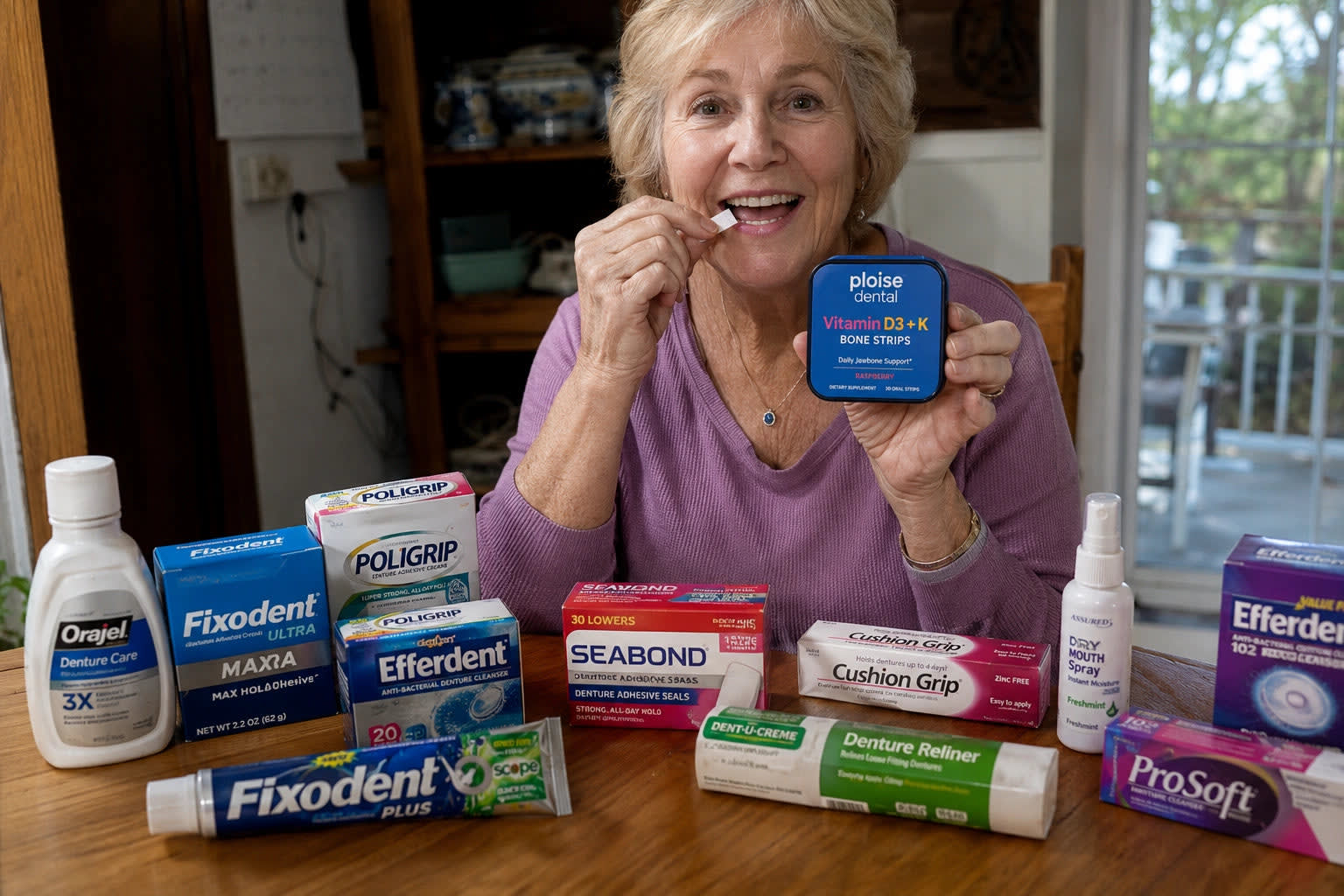
Poligrip. Fixodent. Powder. Relines. A brand-new set. If you've been through the cycle of spending hundreds of dollars on "solutions" that stop working after a few months, you already know the frustration.

The difference is simple: those products work on the plastic. This one supports the bone underneath. The D3, the K2, the under-the-tongue delivery — they work together to support the foundation your dentures sit on. That's why people who've tried everything else say this is the one that finally worked.

Reason 5

It's So Simple You'll Never Miss a Day

Complicated regimens don't support your bones. They get abandoned. Horse pills that catch in your throat. Chalky chews. A handful of capsules with every meal. By Thursday, the bottle stays closed — and the bone doesn't wait.

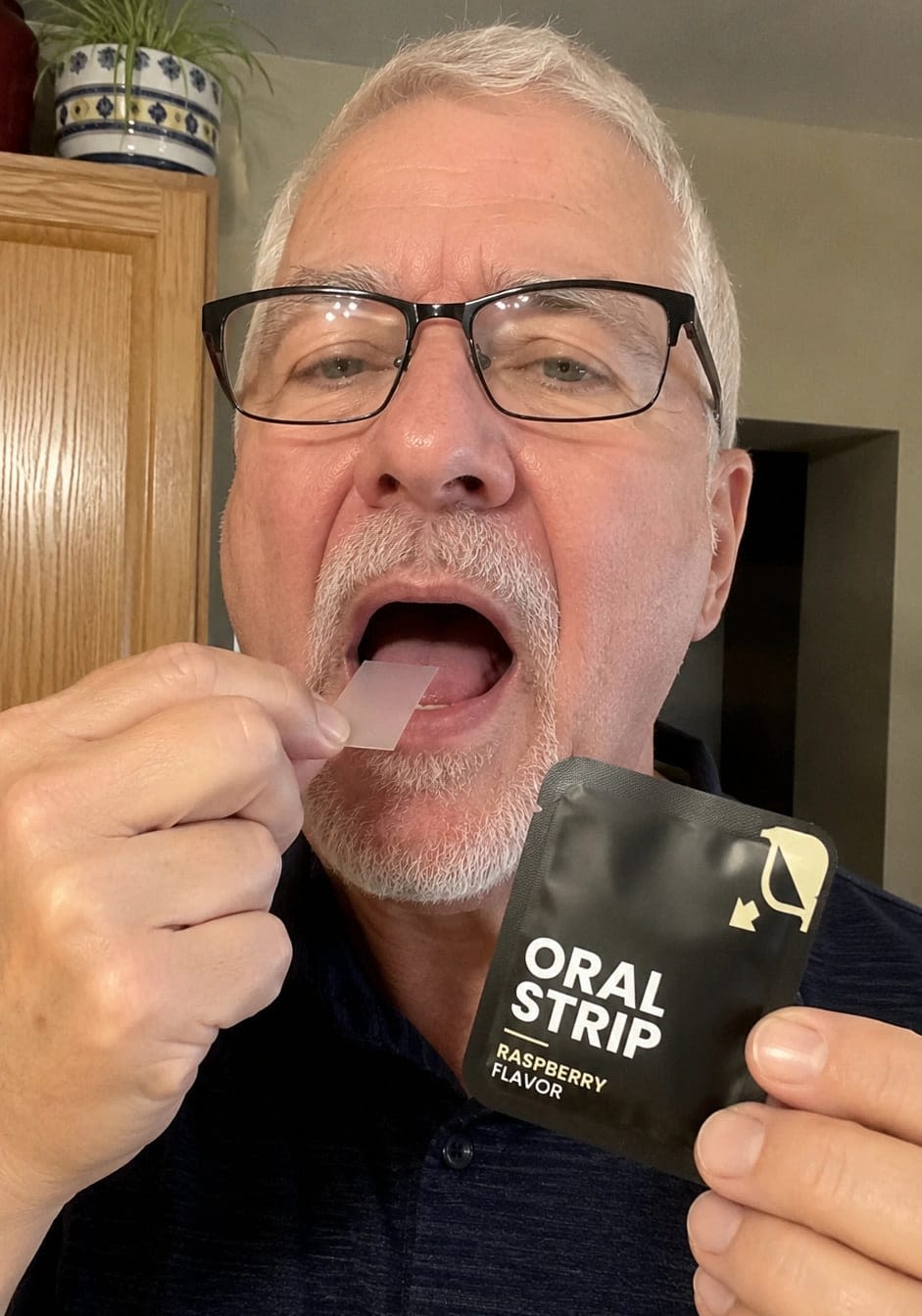
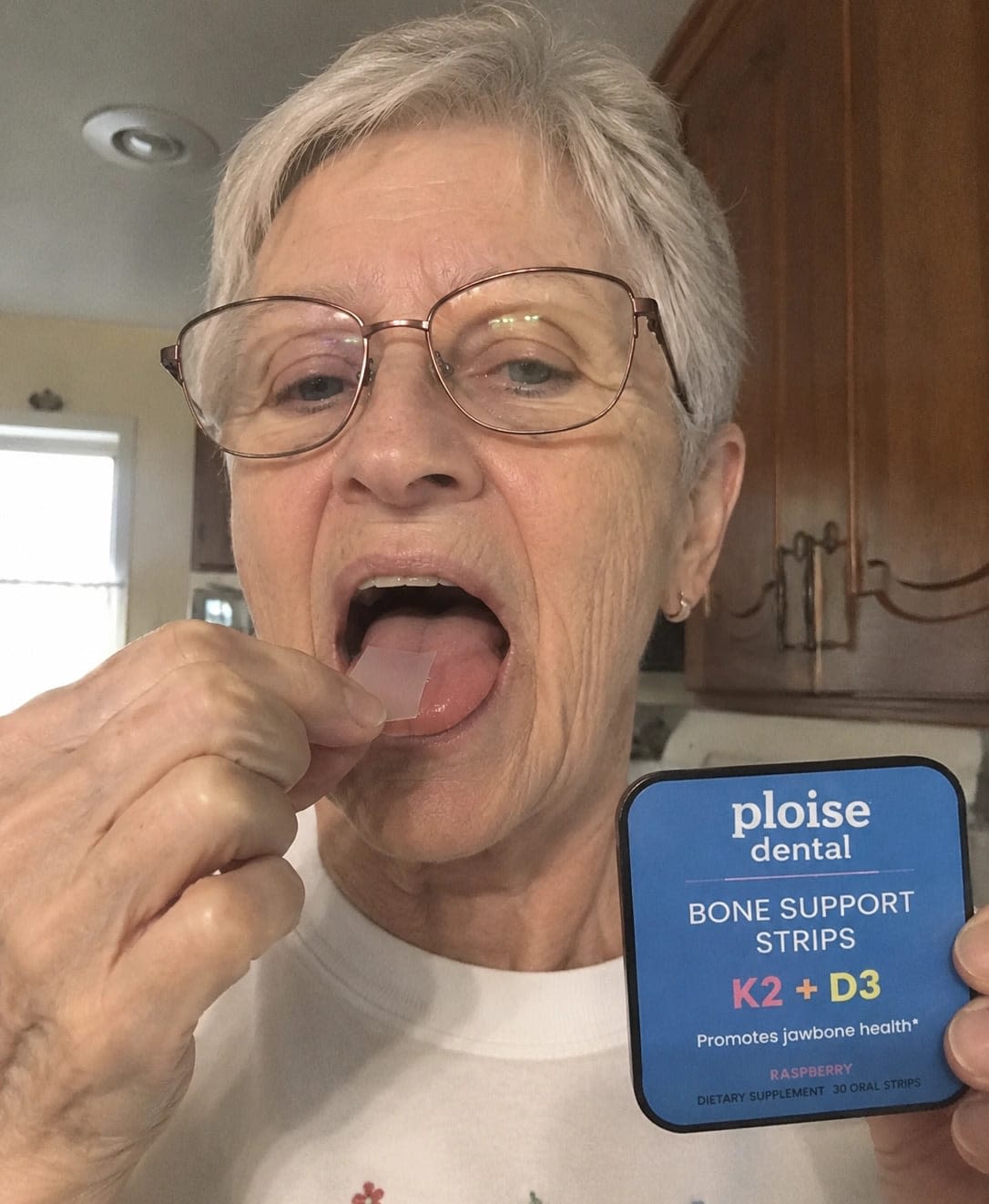
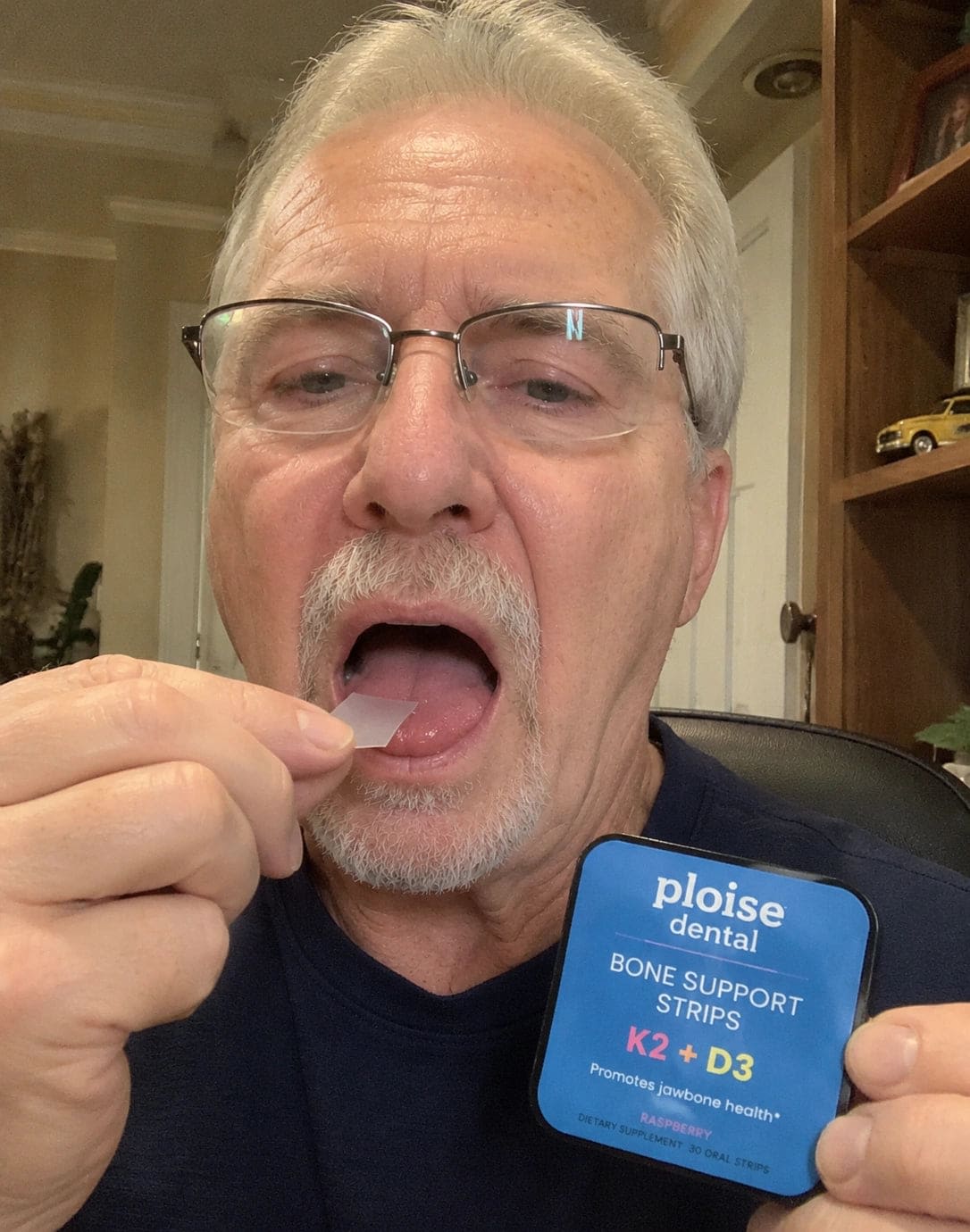
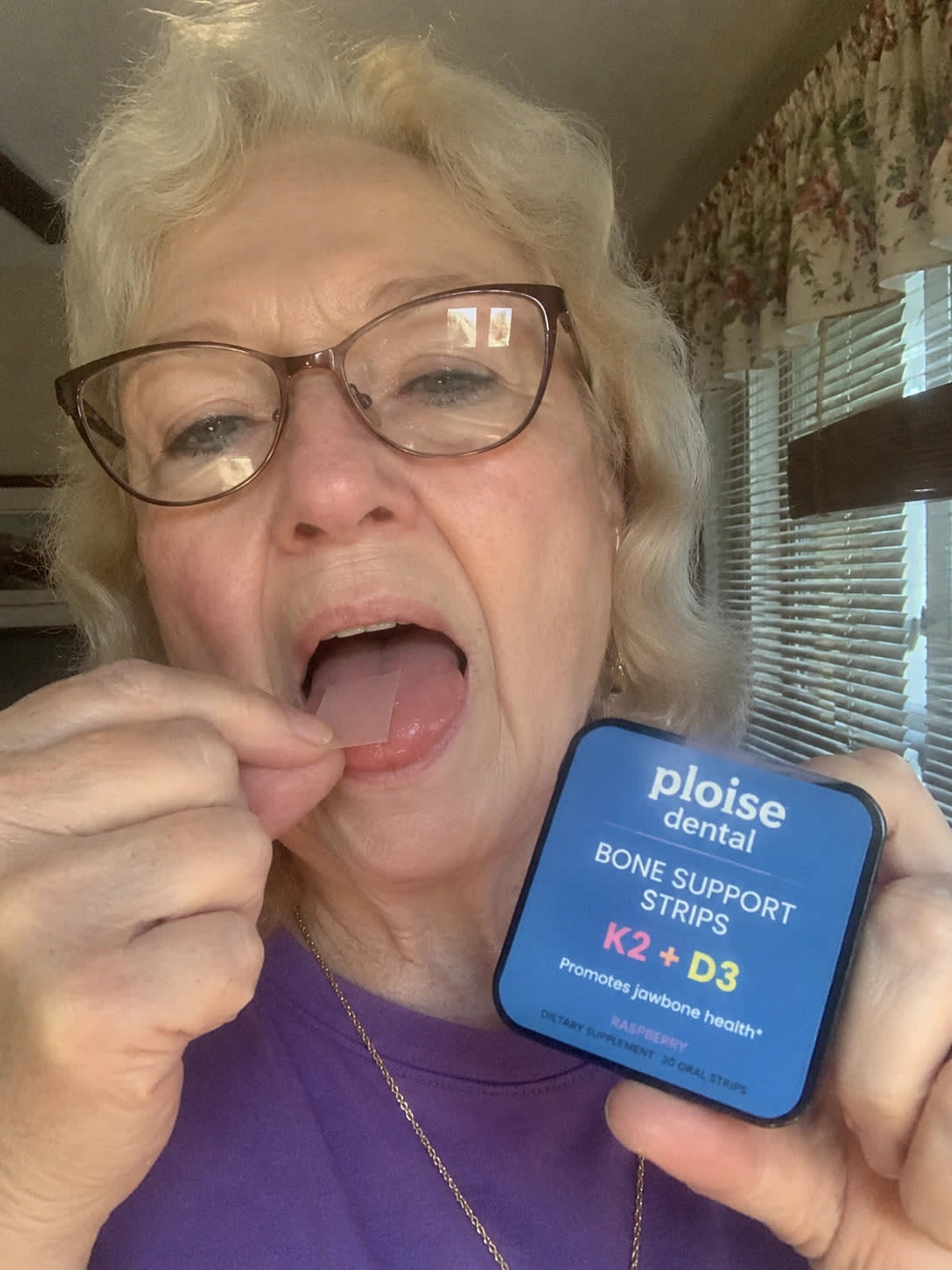
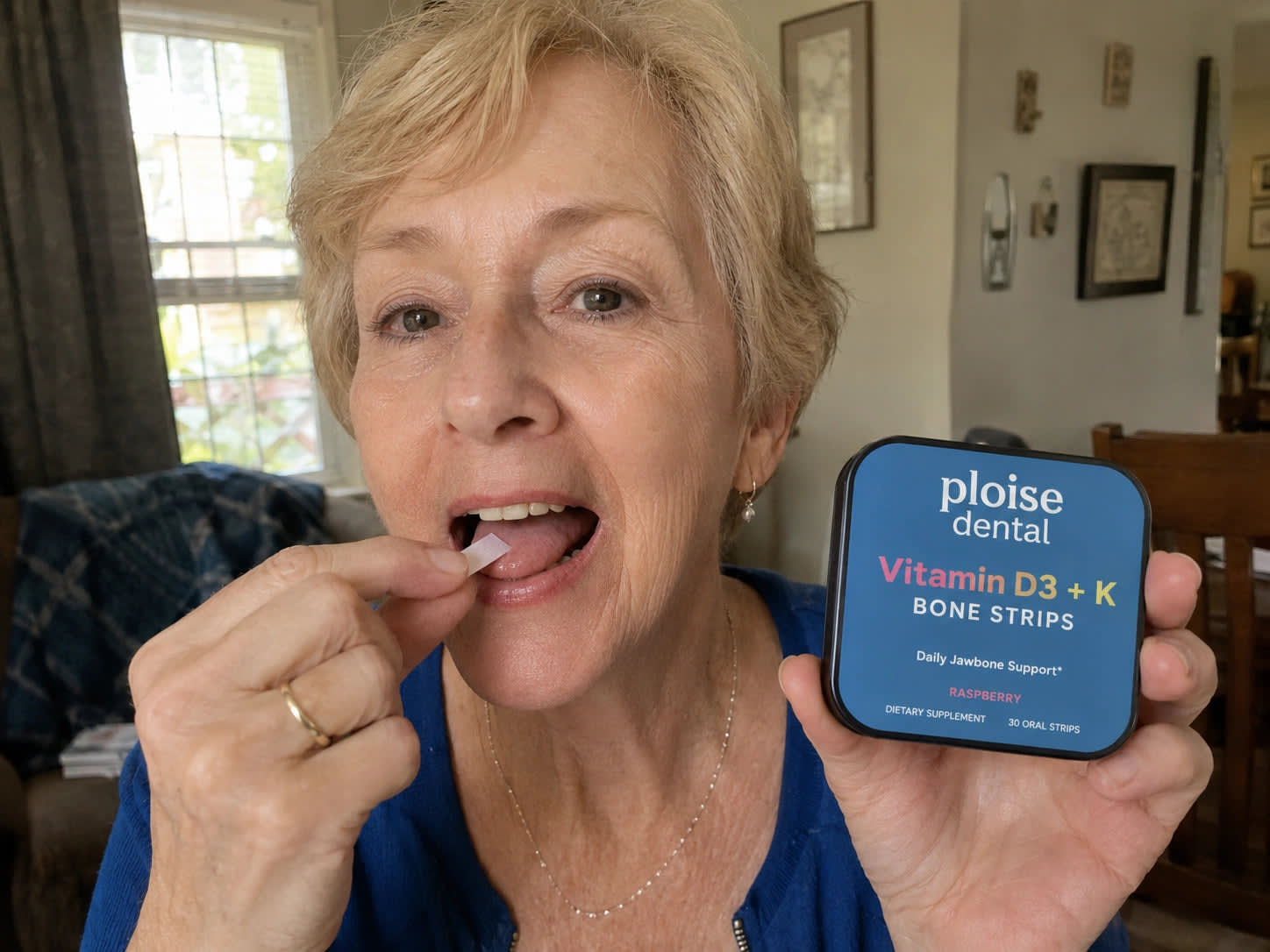
This strip melts under your tongue in seconds. It tastes like raspberry. After the first week, it's as automatic as your morning coffee. That's the point — bone support only works if it happens every single day.

Reason 6

It Helps the Problem Your Dentist Calls "Inevitable"

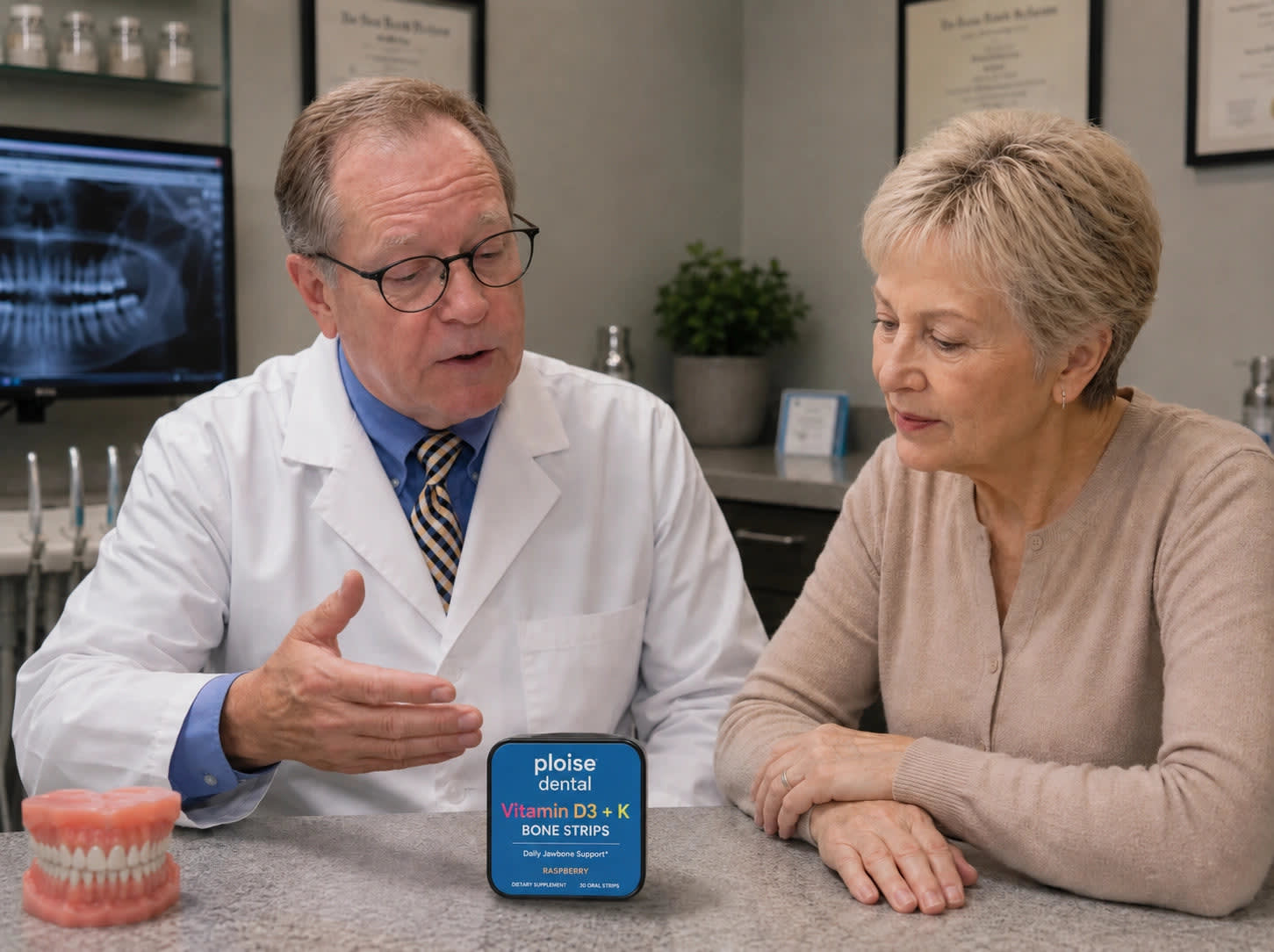
Loose dentures. Sore spots. Trapped food. Clicking when you talk. Gums that ache by dinner. If your dentist told you "that's just how dentures are" or "it's time for a new set," you know the frustration of being told there's no real fix. And here's the uncomfortable part: a denture that fits is a customer who doesn't come back.

These strips were developed specifically for these problems — for the bone underneath the denture, not the plastic on top. They don't just pad the symptoms — they address the structural cause. That's why thousands of denture wearers have made the switch and stayed.

Reason 7

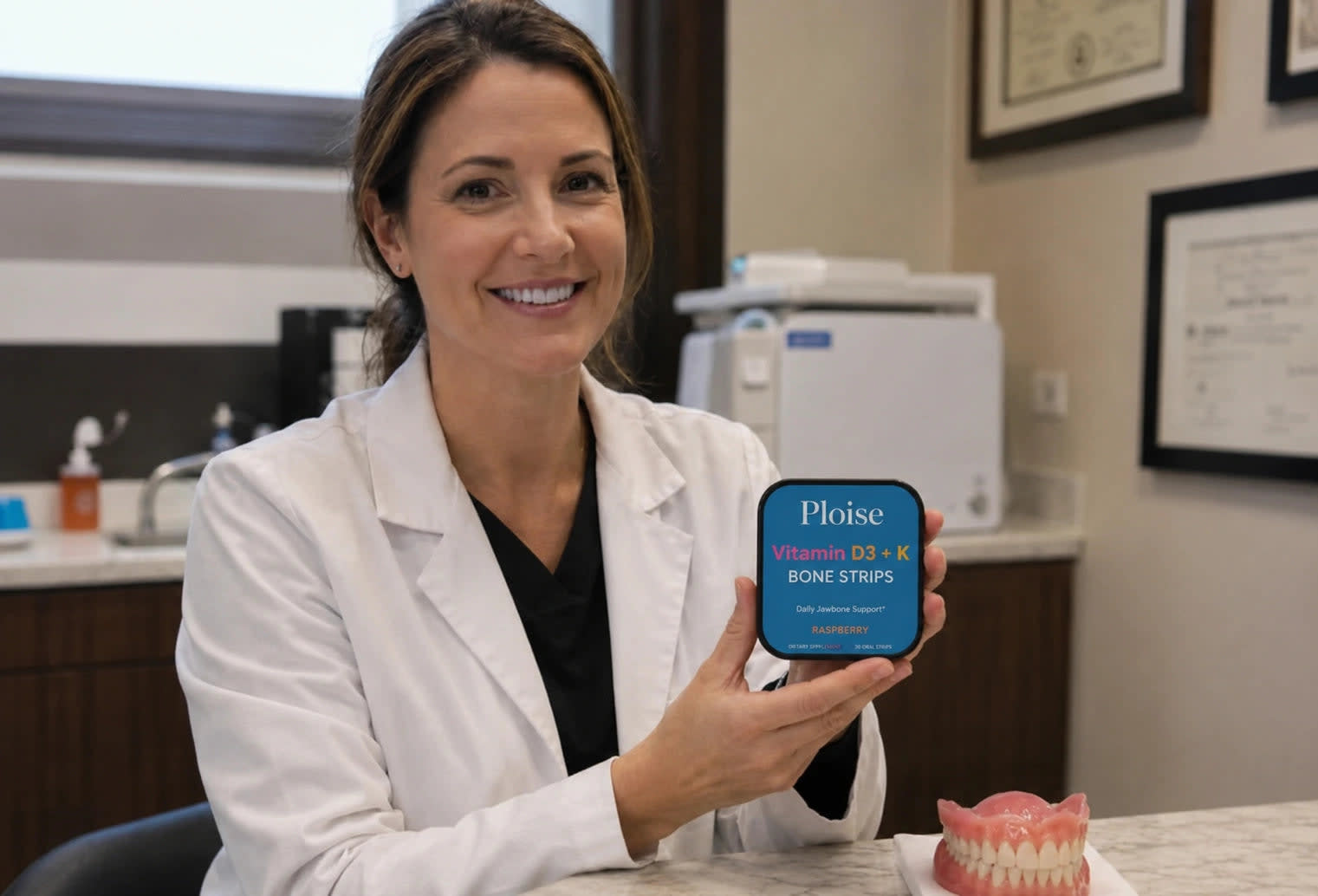
Designed by a Prosthodontist Who Saw the Problem Firsthand

James Mitchell spent decades fitting dentures — and watching the same patients cycle through the same expensive fixes that never lasted. Another reline. Another tube of adhesive. Another new set that went loose just like the last one. He knew the problem was never the plastic — and he was tired of being paid to keep replacing it while the real problem went untouched.

So he built something for the bone instead. Working with formulators and real denture wearers, he designed a strip that supports the root of the problem — not just the symptoms. Every nutrient, every dose, every detail was chosen for one reason: to support the bone your dentures depend on.

Reason 8

One Strip, Anywhere, Every Day

You don't need a cabinet full of bottles. You need one thing you'll actually take.

No water. No swallowing. No timing it around meals. It goes in a purse, a pocket, a glovebox. Whether you're at home, at a restaurant, or visiting the grandkids — one strip a day handles it.

Reason 9

Your Foundation Gets Support Every Single Day

Most denture products are designed to get you through the day. Adhesive in the morning. A touch-up at lunch. Powder for the gaps. It feels secure for a few hours, but underneath, the ridge is on its own. The fit keeps drifting, set after set.

These strips take the opposite approach. They work on the foundation, every single day. It's not a day-one fix — it builds. Week by week, the gums calm down; over the following weeks, many people find they're reaching for the adhesive less. Because you're finally supporting what everything else sits on.

Reason 10

You Can Try It for 30 Days, Risk-Free

A reline runs $300 to $500. A new set of dentures can mean a $2,400 deposit. Implants start around $30,000 — if you can even get them. A box of strips costs less than the adhesive habit it's built to reduce.

Take one every day for a full month. Eat at your own table. Pay attention to the sore spots, then the fit. If you don't notice the difference in how your dentures feel, send the box back. No questions. No hassle. Full refund.

But most people don't send it back. They order the next box before the first one runs out.

62,000+ Verified Reviews

5 out of 5 stars

What Customers Are Saying

5 out of 5 stars

Margaret, 68

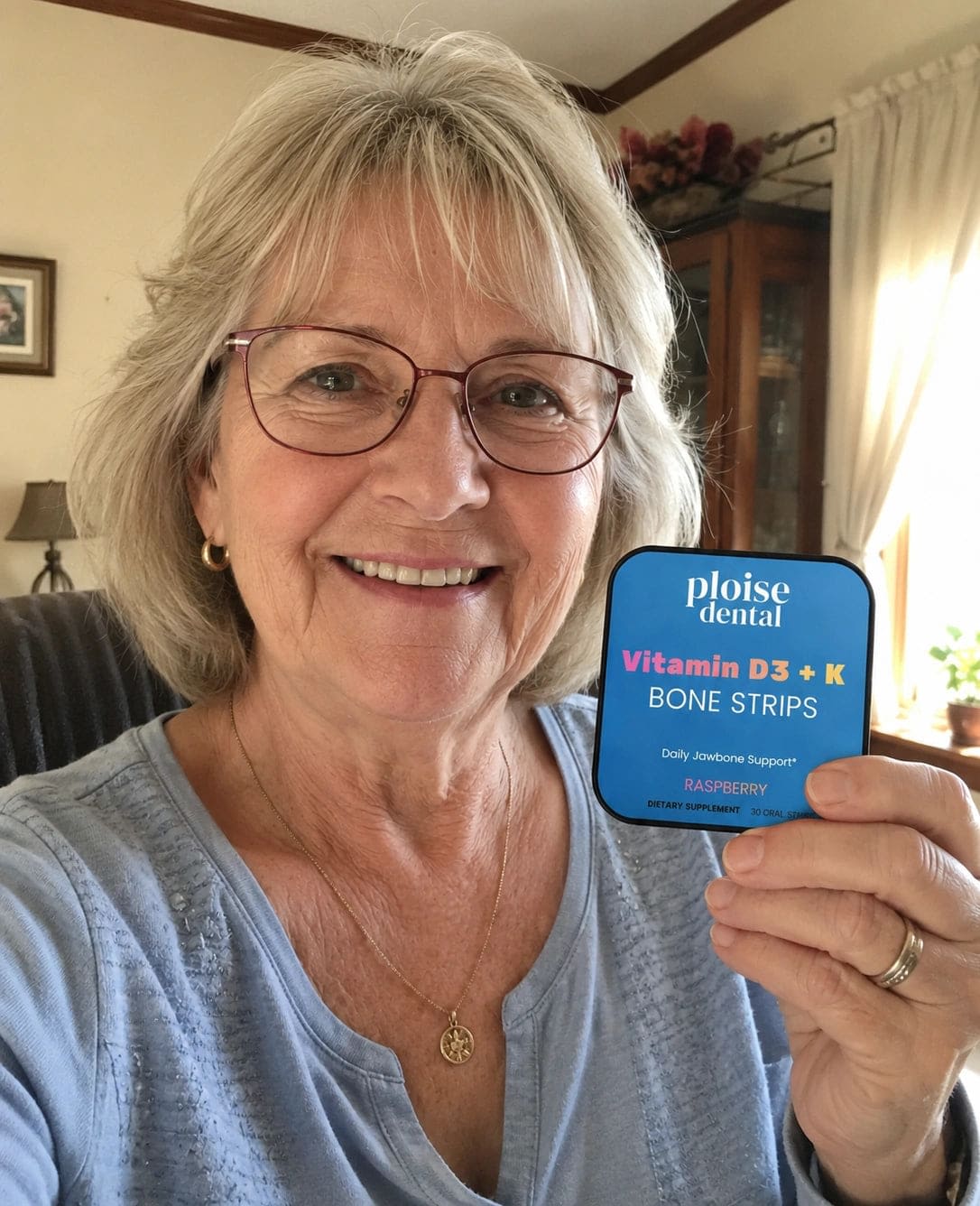
"My dentist told me bone loss was 'just part of wearing dentures' and to expect a reline every couple of years. I'd paid $2,400 for this set and it was loose within a year. Three weeks on the strips and the sore spots along my gums are gone. At my last cleaning, my hygienist asked what I was doing differently."

5 out of 5 stars

Lisa, 52

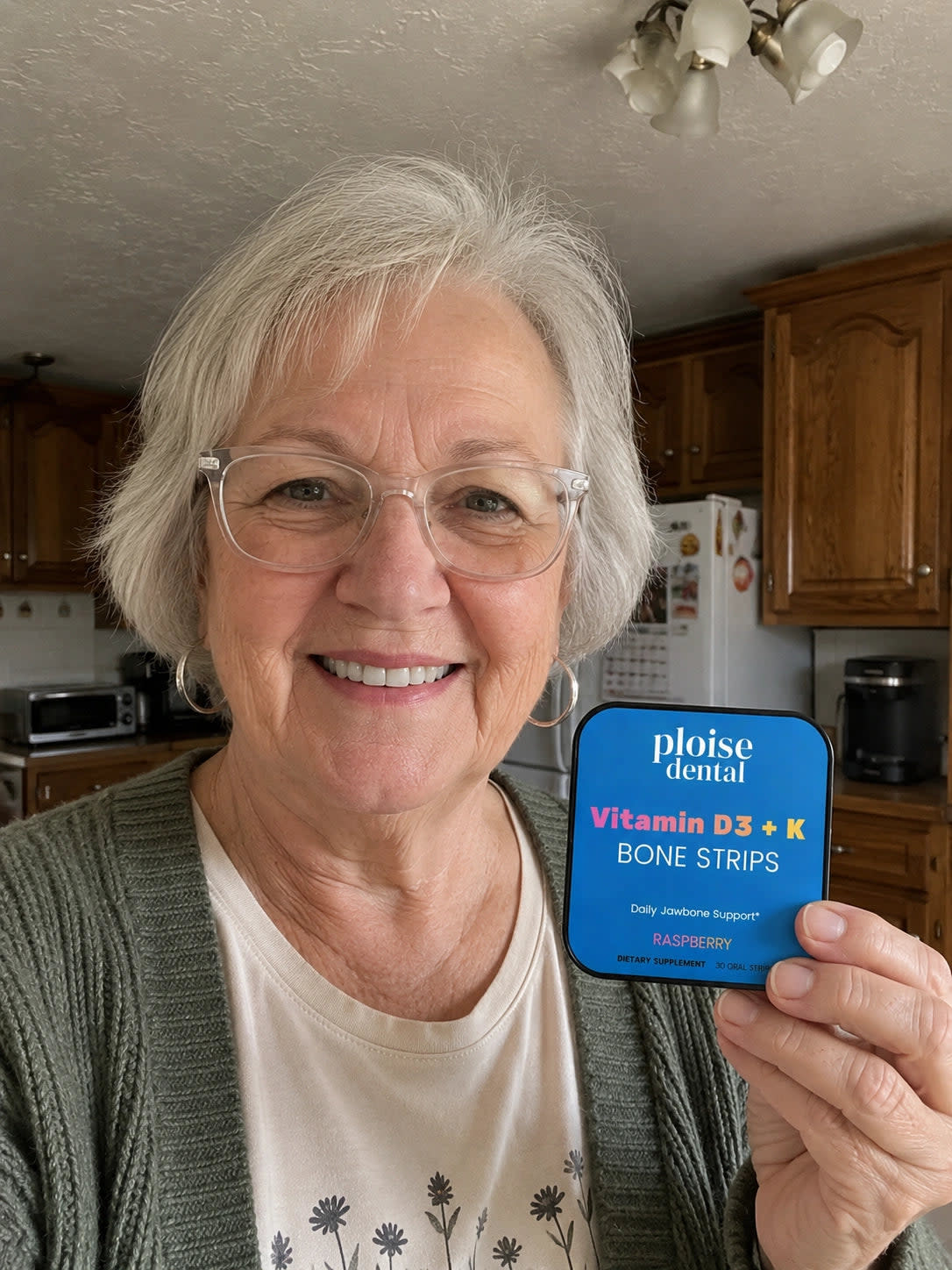
"I was about to put down another $2,400 deposit on my third set in nine years. Then my daughter sent me an article about the bone underneath. I figured I had nothing to lose. Two months later, this set fits better than it has in ages — I canceled the order. Corn on the cob at our family cookout, first time in six years. I just wish I'd known it was the bone all along."

5 out of 5 stars

David, 62

"I still run the register at our hardware store — talking to customers all day. I used to duck into the back room to re-glue my lowers before lunch. Fixodent, Poligrip, the powder — I've tried them all. Six weeks in with these? One thin layer in the morning holds me clear through supper. I've already got two of my buddies taking them."

"If you made it to the end, your jawbone has been trying to tell you something for years. Maybe it's time to listen."